 Skip to content
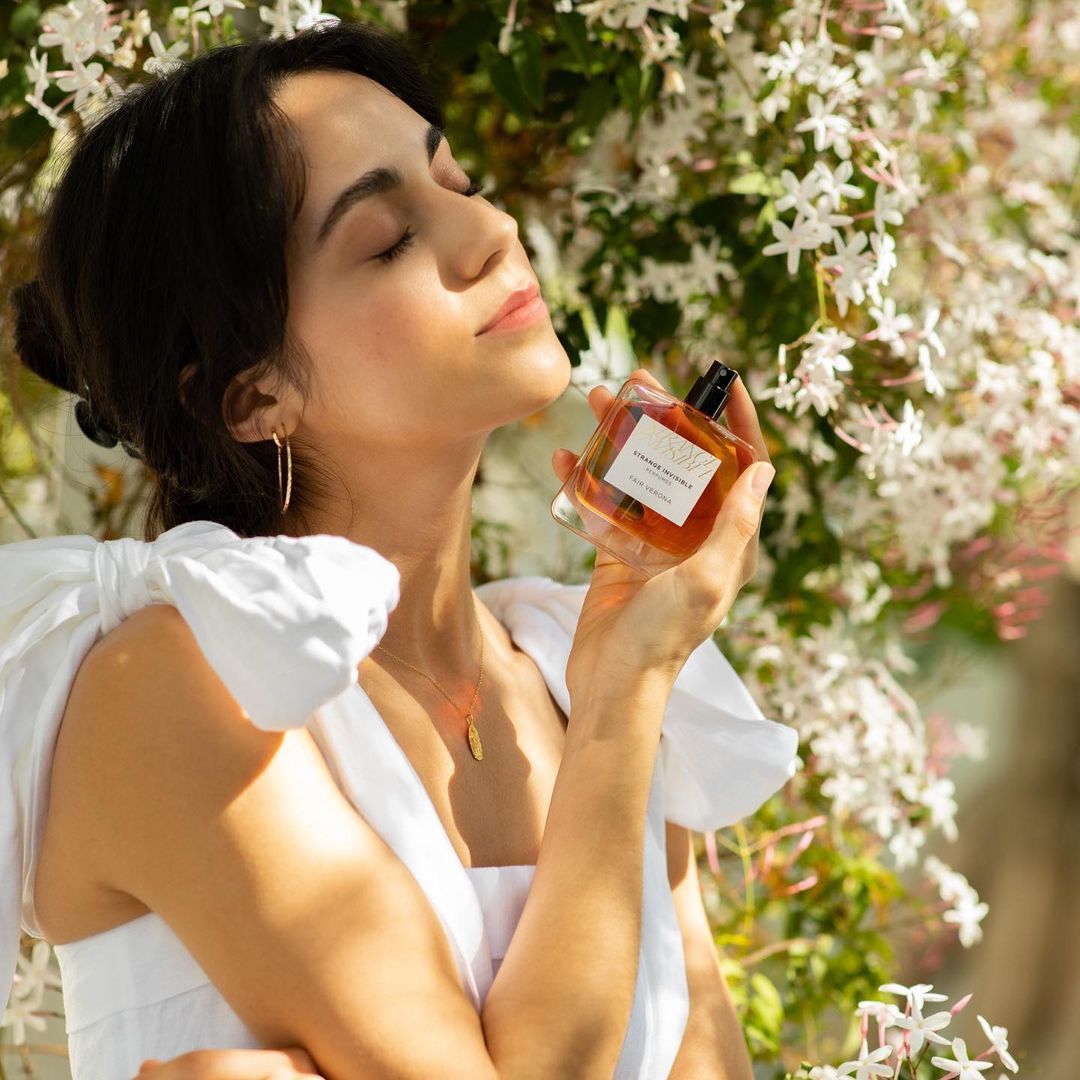
“A perfume is not a product. It is a mythology — bottled, priced, and sold to someone who wants to believe in the story more than the scent.”
Learning how to start a perfume brand is one of the most searched questions in the fragrance industry — and for good reason. Every year, thousands of aspiring founders also ask: what actually makes a fragrance luxury? The answers will surprise you — because they are more intertwined than you think. Building a successful luxury fragrance brand is not about the juice in the bottle. It is about the story, the positioning, and the cultural infrastructure surrounding it. This is the guide the industry doesn’t want to publish.
How to Start a Perfume Brand: The Founder’s Blueprint
Building a luxury fragrance brand is one of the most romantically complex entrepreneurial undertakings in the world. It sits at the crossroads of chemistry, culture, art, and commerce. Here is the unfiltered path.
What Makes a Luxury Fragrance Brand:
Illusion, Infrastructure & Perception
The most dangerous misconception in the fragrance industry is that luxury begins in the bottle. It doesn’t. Every successful luxury fragrance brand begins in the mind — built, layer by layer, through storytelling, placement, and perception.
Let’s be extraordinarily clear: the fragrance inside a bottle of Chanel No. 5 costs less per milliliter than a bottle of premium olive oil. What you are purchasing when you buy a luxury fragrance brand’s product is not the scent. You are purchasing the story, the heritage, the cultural permission, and — critically — the social signal. Marketing and brand position are not supplemental to a luxury fragrance brand. They are the luxury fragrance brand.
Heritage or the Illusion of It
Every luxury fragrance brand has a founding mythology. Creed claims it was founded in 1760. The point is not historical accuracy — it is the authority that age confers. New brands navigate this by creating their own founding story with emotional weight: a place, a person, an obsession, a loss. The story must be specific enough to be credible and universal enough to resonate. Vagueness is the enemy of luxury.
Scarcity Architecture
Luxury is definitionally inaccessible to most. True luxury brands architect scarcity deliberately: limited distribution, limited editions, waitlists, exclusive stockists. The moment a luxury fragrance becomes available everywhere, it begins its slide toward mass market. Exclusivity is not snobbery — it is the structural maintenance of desire.
Sensory Consistency Across Every Touchpoint
Luxury is not a product attribute — it is an experience architecture. Every touchpoint must whisper the same thing: this brand exists in a world apart from ordinary commerce. The tissue paper inside the box. The email confirmation. The way the atomizer clicks. The moment any touchpoint breaks the spell, the consumer’s subconscious files the brand one tier lower, permanently.
The Most Underestimated Driver of Fragrance Luxury:
Brand Positioning Through Cultural Placement
Two fragrances can share the same formula, the same glassware, the same retail price — and one will be perceived as luxury while the other reads as prestige mass-market. The difference is not in the bottle. It is in the cultural conversation surrounding the brand. Who is photographed wearing it. Who talks about it. The influencers who discover it first. This is why fragrance marketing is not a support function — it is the primary value-creation engine.
Your brand is defined not just by what it is, but by what it appears near. Proximity to art, architecture, film, and the right human faces is how luxury fragrance communicates to the subconscious.
In fragrance, not all influence is created equal. A placement with the wrong influencer — regardless of follower count — can detonate years of brand building overnight. Category-specific, credibility-first influence is non-negotiable.
“In fragrance, the audience doesn’t just follow an influencer. They trust their nose by proxy. That proxy status is the most valuable real estate in the category.”
Searchlight Social’s representation of the #1 fragrance influencer isn’t just a trophy client. It’s a strategic position that gives the agency unparalleled insight into what moves fragrance consumers at the deepest level.
For a new fragrance brand, the question isn’t whether to invest in influencer marketing. It’s whether you’re investing in the right influence infrastructure — one that elevates rather than commodifies your brand story.
What Every Luxury Fragrance Brand
Needs to Build
Narrative Before Product
Your brand story must exist, be lived, and be articulated before your first bottle goes to production. Consumers don’t buy a luxury fragrance — they buy entry into a world. That world needs architecture: a founding mythology, a visual language, a vocabulary, and cultural references that signal “this brand belongs in a specific, aspirational context.” Searchlight Social builds this narrative infrastructure first, before any campaign assets are created.
Influence as Brand DNA, Not Promotion
The most sophisticated fragrance brands treat influence not as a media buy but as an extension of their brand DNA. When the right influencer speaks about your fragrance in their authentic voice, it adds a layer of third-party credibility that no brand-produced content can replicate. Searchlight Social’s unique position with the #1 fragrance influencer means their brand clients have access to the most trusted voice in the category — not as a paid post, but as a genuine cultural bridge.
Visual Language That Ages Beautifully
Trend-chasing is fatal in luxury fragrance. The visual language of a luxury fragrance brand must be designed to compound in meaning over time — like a patina. Searchlight Social approaches creative direction with a “decade horizon”: every visual element must feel as right in ten years as it does today. This discipline is why the most iconic fragrance brands — Hermès, Diptyque, Maison Margiela Replica — have visual identities that feel timeless while remaining contemporary.
Community Architecture Over Audience Building
The difference between a fragrance brand with followers and one with devotees is community architecture. Fragrance enthusiasts on YouTube, Reddit’s r/fragrance, and TikTok are among the most passionate consumers in any category. A brand that earns genuine respect in these communities has a marketing engine that money cannot buy.
Retail as Theater
Where and how a consumer first encounters your fragrance is one of the most consequential brand decisions you will make. The retail environment — online or physical — is not a transaction point. It is a stage. Your website should feel like entering a private residence. Your sampling strategy should create intimacy before commitment. Luxury fragrance retail is seduction, not sale.
The Patience to Build a Tier
Luxury brand positioning cannot be rushed without being destroyed. The average luxury fragrance brand takes 3–7 years to establish genuine tier recognition. Brands that shortcut this timeline through mass promotion or aggressive discounting inevitably compromise the very perception they set out to build. Strategic patience is the only viable path to true luxury status.
Questions About How to Start a Perfume Brand
— Answered
Your Perfume Brand Starts
Here. Build it Like Luxury.
The question of how to start a perfume brand is ultimately a question about how to build a world — not a product. The greatest luxury fragrance brands in history did not win because of their formulas. They won because they built worlds that people wanted to live in — and then they had the discipline, the patience, and the partners to protect and amplify those worlds over time. Marketing is not the last mile of a luxury fragrance brand. It is the foundation.
For fragrance brand strategy and positioning — Searchlight Social