 Skip to content
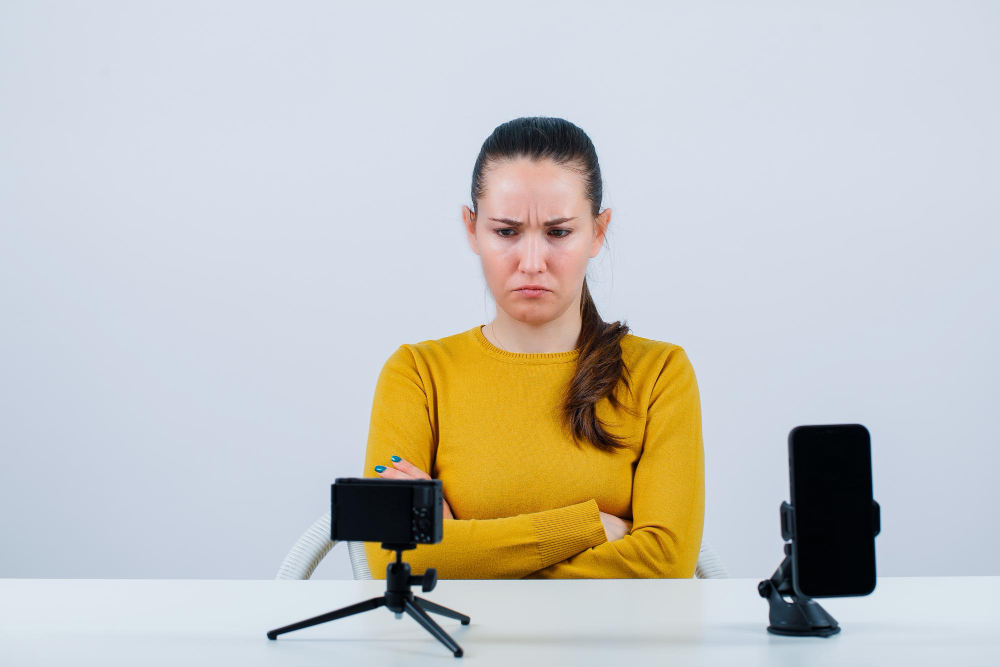
When an influencer goes wrong, it means their words or actions damage their own reputation or the brand they work with.
Influencer marketing is one of the strongest tools in digital marketing today. It builds trust between people and brands. But when that trust breaks, the impact can be huge. One wrong post, one careless word, or one fake endorsement can destroy years of hard work.
The Rise of Influencer Marketing
Influencer marketing has surged into a $21 billion powerhouse worldwide. Audiences put more faith in individual voices than in conventional advertisements. When a content creator endorses something, their audience perceives it as a genuine tip from a friend rather than a corporate pitch.
But that’s exactly why influencer mistakes hit harder. When an influencer goes wrong, the damage spreads fast. Social media is instant. One wrong post can reach millions before anyone can react.
What Does “Influencer Gone Wrong” Mean?
It’s when an influencer’s actions, online or offline, cause backlash, distrust, or harm.
- Promoting fake or harmful products
- Getting caught lying about sponsorships
- Involvement in scandals or unethical behaviour
- Failing to align with brand values
It doesn’t just ruin their reputation. It also affects the brand, the campaign, and even the industry’s credibility.
What are the Real Examples of Influencers Gone Wrong?
1. Fyre Festival (2017)
Influencers like Kendall Jenner and Bella Hadid promoted a luxury music festival that turned out to be a disaster. Attendees arrived to find no food, no shelter, and chaos. The event became a symbol of influencer irresponsibility.
Lesson: Promoting something without checking its authenticity can destroy trust.
2. Logan Paul’s Japan Controversy (2018)
YouTuber Logan Paul filmed in Japan’s “Suicide Forest,” showing disrespectful behavior. He lost sponsorships and millions of subscribers.
Lesson: Influencers must understand cultural and ethical boundaries. One bad decision can cost everything.
3. PewDiePie’s Controversies
One of the biggest YouTubers faced backlash for offensive jokes and behavior. Despite his influence, brands like Disney cut ties.
Lesson: Even top creators must stay responsible. Fame doesn’t protect against consequences.
Why do the Influencers Go Wrong?
1. Pressure to Stay Relevant
Social media moves fast. Influencers feel pressure to post constantly. Sometimes, they cross lines for attention; controversial posts, fake luxury lifestyles, or risky collaborations.
2. Lack of Brand Alignment
Brands often choose influencers by follower count, not by values. When an influencer’s style clashes with the brand message, things go wrong.
3. Fake Followers and Engagement
Some influencers buy followers or likes. Brands waste money on fake reach, and real users lose trust. According to Forbes, roughly one out of every four influencers buys fake followers to boost their numbers.
4. Ignoring Transparency Rules
Influencers must disclose paid partnerships (#ad, #sponsored). When they don’t, followers feel cheated. In 2021, the UK’s Advertising Standards Authority banned multiple influencers for hiding paid ads.
5. Ethical and Moral Mistakes
Racist remarks, insensitive jokes, or exploiting followers. These destroy reputations instantly. In the digital world, screenshots live forever.
What is the Impact on Brands When an Influencer Goes Wrong?
When an influencer fails, brands face more than bad publicity.
Loss of Trust
When an influencer messes up, the first thing that usually suffers is trust.
People tend to connect the influencer’s actions to the brand they promote. So, if an influencer says something wrong, promotes a product dishonestly, or just acts irresponsibly, followers start questioning the brand.
Even long-time fans might wonder, “Did this brand even check who they’re partnering with?”
Drop in Sales
A misstep can also hit sales. Influencer campaigns are meant to get people excited and engaged, but controversy can have the opposite effect.
Suddenly, followers lose interest, engagement drops, and some might even boycott the product.
All that planning, time, and money can feel like it goes down the drain.
Legal Trouble
Sometimes it’s not just about bad publicity. Legal trouble can also arise. Companies are held accountable for the content their influencers share.
If an influencer hides a paid promotion or makes false claims, regulators like the UK ASA or the US FTC can step in. Fines, penalties, or public warnings can follow, which isn’t fun for anyone involved.
Long-Term Brand Image Damage
Even one controversial post can leave a lasting mark on a brand. Years of careful reputation building can unravel in a single moment.
And rebuilding trust? That’s not quick or cheap. The fallout often lingers longer than anyone expects, making future campaigns harder to run successfully.
7 Best Ways to Avoid Influencer Failures
Working with influencers can be amazing for a brand but only if you do it carefully. You can reduce risks and make campaigns work as planned.
1. Research Deeply
Don’t pick an influencer just by looking at their follower count. It’s important to understand their content style, audience, and ethics.
NLP (Natural Language Processing) tools can help here by analyzing the language an influencer uses across posts. For example, NLP can detect aggressive, controversial, or insensitive tones, which can help brands understand potential risks before a campaign starts.
You can also check for sentiment trends to see how the influencer’s audience reacts to past posts.
2. Align Brand Values
If your brand promotes sustainability, partnering with someone who genuinely lives eco-friendly practices will resonate more than just a person who occasionally posts about green topics. Authenticity matters. Followers can tell when an influencer is faking alignment.
3. Use Contracts Wisely
Contracts aren’t just legal paperwork. They are your safety net. Include rules about ethical behavior, transparency, content review, and disclosure requirements. Make it clear what’s allowed and what’s not.
Legal safety is just as important as creativity. Clear contracts protect the brand if something goes wrong.
4. Monitor Campaigns in Real Time
Even after content goes live, don’t assume everything is fine. Use SEO and social listening tools to track hashtags, mentions, and audience reactions. Real-time monitoring also allows adjustments in strategy if engagement isn’t going as planned.
This is where our Influencer Analytics Services really help. We track influencer performance and audience quality for brands, so you can see which creators are genuinely engaging their followers and which partnerships are worth your investment.
5. Have a Crisis Management Plan
Plan for “what if” scenarios. No one wants a scandal, but being prepared is essential. Have a communication plan ready for damage control.
Quick, honest, and transparent responses can prevent a small mistake from becoming a major PR disaster.
6. Verify Audience Quality
Don’t just trust follower numbers. Check engagement rates and the quality of the audience. Look for fake followers, bot accounts, or inactive users.
Tools like HypeAuditor or social analytics platforms can help ensure the influencer’s audience is real, which protects both campaign results and brand reputation.
7. Test Small Before Going Big
If you are trying a new influencer, start with a small campaign first. See how their audience reacts and whether the collaboration aligns with your brand. It reduces risk and allows adjustments before a full-scale campaign.
When Can an Influencer Recover?
Not every mistake ends a career. Some influencers recover through honesty and accountability.
- Apologize publicly and sincerely.
- Show learning and change.
- Give back through positive action.
Logan Paul is a good example. After his controversy, he rebuilt his image through maturity, charity, and consistent behavior.
The Role of Influencer Management Agencies
Agencies like Searchlight Social help brands and creators work safely and effectively.
We use data-driven selection, performance tracking, and reputation analysis to match the right influencers with the right campaigns. This reduces risks and ensures long-term results.
If you are a brand looking for trusted influencers or a creator who wants to grow ethically, come to us.
We handle influencer selection, audience analysis, campaign management, and real-time performance tracking. Brands get trusted partnerships that reduce risk and drive results. Creators get ethical growth and the right brand collaborations.
Partner with us to build influence that adds real value and book a FREE consultation today!
People Also Ask
How do brands spot risky influencers before partnering?
Brands can identify risky influencers by reviewing their past content, audience engagement, and public reputation. Checking for controversial posts, inconsistent messaging, or signs of fake followers can prevent future problems.
Can small influencers cause major damage to a brand?
Yes, even small influencers can create problems if their content goes wrong. While they have fewer followers, their audience is often highly engaged, which means negative posts or controversies can spread quickly and affect brand perception. Every partnership needs careful vetting, no matter the size.
How can brands recover after an influencer controversy?
Recovery starts with transparency. Brands should acknowledge the issue publicly, clarify their stance, and show actions taken to prevent it from happening again. Communicating honestly with the audience and pausing problematic campaigns can help restore trust over time.
What tools can help detect fake followers or engagement?
Analytics and AI-based tools can analyze influencer accounts. Platforms like HypeAuditor, Social Blade, and other social listening tools can check for abnormal follower growth, low engagement rates, or bot activity.