 Skip to content
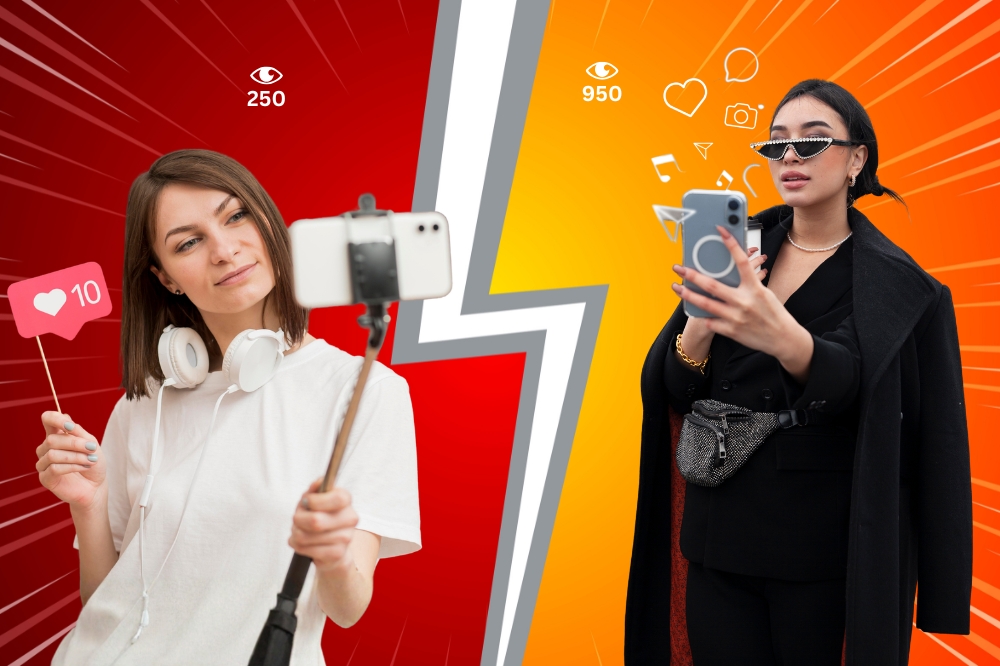
In today’s digital world, influencer marketing is no longer optional for brands. It has become a core strategy for building awareness, trust, and long-term customer relationships. Instead of relying only on ads, brands now partner with creators who already have strong connections with their audience.
One of the most common questions businesses ask is whether to invest in micro-influencers or mega-influencers. This decision plays a major role in how successful a campaign will be. The answer is not simple because both influencer types serve different purposes within a strong influencer marketing strategy.
Micro-Influencers vs Mega-Influencers: Key Differences
To make the right decision, brands first need to understand how these two categories differ.
Micro-influencers usually have between 5,000 and 100,000 followers. They are known for their niche audiences and strong engagement. Their content feels more personal, which builds trust over time.
Mega-influencers have very large audiences, often in the hundreds of thousands or millions. They offer high visibility and are ideal for reaching a broad audience quickly.
Key differences include:
- Micro-influencers focus on engagement and trust
- Mega-influencers focus on reach and visibility
- Micro creators connect deeply with niche audiences
- Mega creators create large-scale brand awareness
Understanding this difference is the foundation of building a results-driven campaign.
Why Micro-Influencers Are Essential for Engagement and Trust
Micro-influencers play a critical role in modern influencer marketing for brands because they build real connections. Their followers trust their opinions, which makes their recommendations more impactful.
They are especially effective in industries where buying decisions depend on trust, such as beauty, fitness, lifestyle, and wellness. Their content feels natural and less promotional, which increases engagement and conversions.
For brands looking to scale effectively, working with the right creators requires planning and structure. This is where influencer talent management becomes important, helping brands identify the right influencers, align messaging, and maintain consistent campaign quality.
When Mega-Influencers Deliver the Most Value
Mega-influencers are powerful when the goal is visibility. They are best suited for brands that want to reach a large audience quickly and create a strong market presence.
They are commonly used for:
- Product launches
- Brand awareness campaigns
- Seasonal promotions
- High-visibility collaborations
Their ability to generate impressions at scale makes them valuable for competitive industries. However, engagement levels may not always match those of micro-influencers due to the broad nature of their audience.
Engagement vs Reach: What Drives Better Results
A key part of choosing between micro and mega influencers is understanding the difference between engagement and reach. Many brands focus only on numbers, but performance depends on how audiences interact with content.
Micro-influencers often deliver:
- Higher engagement rates
- Stronger audience trust
- Better conversion potential
- More meaningful interactions
Mega-influencers deliver:
- Large-scale visibility
- Faster audience reach
- Strong brand recall
- High impression volume
To balance these outcomes, many brands now rely on creator marketing solutions that help manage influencer campaigns, track results, and build more effective strategies.
How to Build the Best Influencer Strategy for Your Brand
The most successful brands do not choose between micro and mega influencers. Instead, they combine both to create a complete funnel.
Micro-influencers help build trust and influence decisions. Mega-influencers help create awareness and attract attention. When used together, they guide the audience from discovery to conversion.
This approach becomes even more important during high-demand seasons like fall and winter, when brands compete heavily for consumer attention. Planning influencer campaigns early allows businesses to maximize visibility and sales during these peak periods.
Common Mistakes Brands Should Avoid
Many influencer campaigns fail because they are not built on a clear strategy. Brands often focus too much on follower count instead of real performance.
Some common mistakes include:
- Choosing influencers only based on size
- Ignoring engagement and audience quality
- Running one-time campaigns without long-term planning
- Not aligning content with brand identity
Avoiding these mistakes can significantly improve campaign results and return on investment.
How Searchlight Social Helps Brands and Creators Grow
At Searchlight Social, we take a strategic approach to influencer marketing focused on long-term growth. We work with creators of all sizes, helping them improve content, boost engagement, and build a strong digital presence.
Our focus goes beyond promotion. We support creator development by helping influencers grow their skills, expand their audience, and build sustainable businesses. For brands, we provide clear guidance on campaign planning, influencer selection, and performance.
We also offer a free consultation to understand goals before starting, ensuring every strategy is clear and effective. We work with creators as independent partners, supporting their growth through professional and structured collaborations.
Conclusion: Which Influencer Type Is Better for Brands?
There is no single answer to the micro-influencer vs mega-influencer debate. Both are important, and each serves a specific role in a strong influencer marketing strategy.
Micro-influencers are ideal for engagement, trust, and niche audiences. Mega-influencers are ideal for reach, awareness, and large-scale visibility.
The most effective approach is to use both strategically. When combined correctly, they create a powerful system that drives awareness, builds trust, and supports long-term brand growth. Searchlight Social helps brands and creators navigate this process with expert guidance, structured strategies, and a clear focus on sustainable success.
Frequently Asked Questions (FAQs)
Micro-influencers have smaller, niche audiences with higher engagement. Mega-influencers have large audiences and offer wider reach and visibility.
It depends on goals. Micro-influencers are better for trust and engagement, while mega-influencers are better for awareness and reach.
Brands should focus on audience relevance, engagement, and content quality, not just follower count.
They help brands plan, manage, and track influencer campaigns for better results and growth.
Discover more from SearchLight Social
Subscribe to get the latest posts sent to your email.